
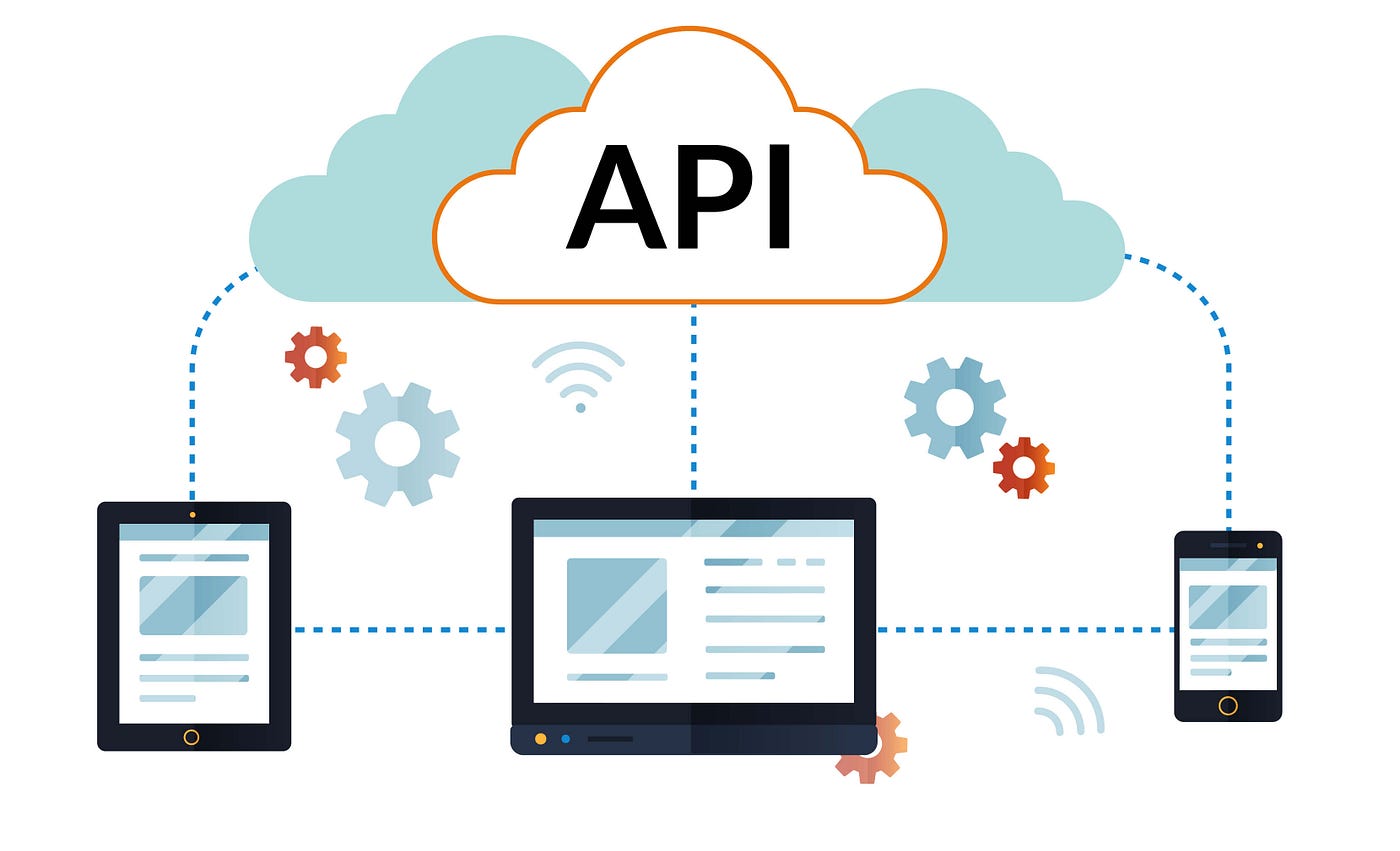
Modern software applications rarely work in isolation. Web apps, mobile apps, and third party services constantly communicate with each other to exchange data and functionality. This communication is made possible through Application Programming Interfaces. In back end development, APIs and RESTful services play a central role in connecting systems, enabling scalability, and supporting modern application architectures.
Understanding how Application Programming Interfaces work is essential for anyone involved in back end development.
Table of Contents
What Is an Application Programming Interface
An API, or Application Programming Interface, is a set of rules that allows different software applications to communicate with each other. An Application Programming Interface defines how requests are made, what data is expected, and how responses are returned.
In back end development, Application Programming Interfaces act as an interface between the client side, such as a web or mobile app, and the server side logic.
According to
MDN Web Docs’ explanation of APIs, APIs enable applications to share functionality and data without exposing internal implementation details.
Role of APIs in Back End Systems
Back end systems use APIs to handle client requests, process business logic, and return appropriate responses. When a user logs in, submits a form, or fetches data, the front end sends a request to the back end API, which then interacts with databases or other services.
Application Programming Interfaces also allow integration with external services such as payment gateways, email services, and cloud platforms. This modular approach makes applications more flexible and easier to maintain.
What Are RESTful Services
REST stands for Representational State Transfer. RESTful services follow a set of architectural principles that guide how Application Programming Interfaces are designed and used. RESTful APIs use standard HTTP methods and are stateless, meaning each request contains all the information needed to process it.
According to
Red Hat’s guide to RESTful APIs, REST is popular because it is simple, scalable, and compatible with web technologies.
HTTP Methods in REST APIs
RESTful APIs commonly use HTTP methods to perform operations on resources. The GET method retrieves data, POST is used to create new data, PUT or PATCH updates existing data, and DELETE removes data.
These methods provide a standardized way to interact with server resources. Proper use of HTTP status codes further improves communication by indicating success or failure of requests.
Data Formats and Communication
Most RESTful Application Programming Interfaces use JSON as the data exchange format due to its lightweight nature and ease of use. JSON is supported by almost all programming languages and platforms, making it ideal for modern applications.
Some APIs also support XML, but JSON has become the industry standard for RESTful services.
W3C’s overview of web data formats explains why standardized data formats are essential for interoperability.
Security in Application Programming Interfaces
Security is a critical concern when designing APIs. Since Application Programming Interfaces expose application functionality, they must be protected against unauthorized access and misuse. Common security mechanisms include API keys, tokens, and OAuth based authentication.
JSON Web Tokens are widely used to secure RESTful Application Programming Interfaces by verifying user identity and permissions.
OWASP’s API security recommendations highlight common Application Programming Interface vulnerabilities and best practices for securing endpoints.
REST vs Other Application Programming Interface Architectures
While REST is widely adopted, other API architectures such as GraphQL and SOAP also exist. GraphQL allows clients to request only the data they need, reducing overfetching. SOAP is a protocol based approach that offers strict standards and strong security features.
REST remains popular due to its simplicity and flexibility, especially for web and mobile applications.
Application Programming Interfaces in Real World Applications
APIs power many everyday services. Social media platforms use APIs to fetch user data and content. E commerce systems rely on Application Programming Interfaces for payments, inventory management, and order processing. Cloud services use APIs to manage resources and automate infrastructure.
Microservices architectures depend heavily on APIs to enable communication between independent services.
Conclusion
Application Programming Interfaces and RESTful services are fundamental components of back end development. They enable communication between systems, support scalability, and allow seamless integration with external services.
By understanding API concepts, REST principles, HTTP methods, and security practices, developers can build robust and flexible back end systems. As applications continue to grow and evolve, Application Programming Interfaces will remain at the core of modern software development.
Also Check Popular Back End Frameworks and Languages Explained 2026
1 thought on “APIs and RESTful Services – Comprehensive Guide – 2026”