
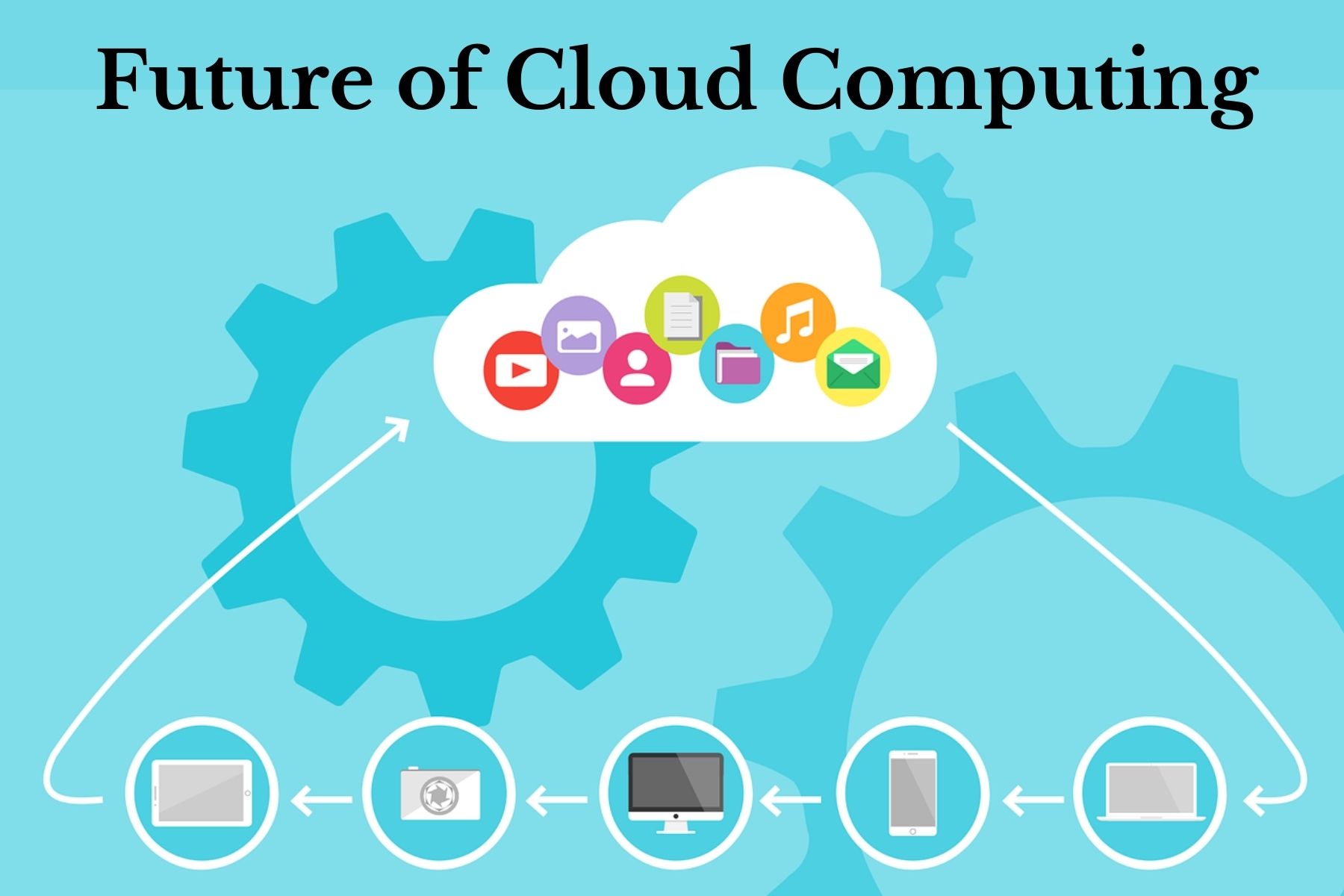
Cloud computing continues to evolve as one of the most influential technologies in the digital era. As businesses increasingly rely on cloud platforms, new future trends and emerging technologies are shaping the future of cloud computing. These advancements aim to improve performance, security, scalability, and innovation across industries.
This blog explores the most important future trends in cloud computing and how they are transforming modern digital systems.
Table of Contents
Growth of Hybrid and Multi Cloud Strategies
Hybrid and multi cloud adoption is expected to grow significantly in the coming years. Organizations are combining public and private cloud environments to balance security, flexibility, and cost efficiency. Multi cloud strategies allow businesses to use services from multiple providers to reduce dependency on a single vendor.
According to IBM’s hybrid cloud strategy insights, hybrid and multi cloud models support agility and resilience in complex IT environments are becoming future trend.
Rise of Serverless Computing
Serverless computing is changing how applications are developed and deployed. In serverless models, developers focus on writing code while the cloud provider manages infrastructure, scaling, and maintenance automatically.
This approach reduces operational overhead and improves development speed.
Amazon Web Services serverless computing overview explains how serverless technologies enable event driven applications and is rapidly evolving future trend.
Expansion of Edge Computing
Edge computing is a future trend which brings data processing closer to the source of data generation, such as IoT devices and sensors. This reduces latency and improves real time processing, making it ideal for applications like smart cities, autonomous vehicles, and industrial automation.
Edge computing complements cloud computing rather than replacing it.
Microsoft’s edge computing explanation highlights how edge solutions enhance performance and responsiveness.
Integration of Artificial Intelligence and Machine Learning
Cloud platforms are increasingly integrating artificial intelligence and machine learning services. These technologies are future trend which enable predictive analytics, automation, and intelligent decision making without requiring specialized infrastructure.
Businesses can leverage AI powered cloud services for image recognition, natural language processing, and fraud detection.
Google Cloud’s AI and machine learning solutions explain how cloud based AI accelerates innovation.
Focus on Cloud Security and Zero Trust Models
As cloud adoption grows, security remains a top priority. Zero Trust security models, which assume no implicit trust within networks, are gaining popularity. These models require continuous verification of users and devices.
Cloud providers are enhancing security tools to support Zero Trust architectures.
Microsoft’s Zero Trust security framework outlines how identity based security protects cloud environments.
Sustainable and Green Cloud Computing
Sustainability is becoming a key focus in cloud computing. Cloud providers are investing in energy efficient data centers and renewable energy sources to reduce environmental impact.
Green cloud initiatives help organizations meet sustainability goals while maintaining performance.
Amazon’s sustainability initiatives highlight efforts to build environmentally responsible cloud infrastructure.
Automation and Infrastructure as Code
Automation is transforming cloud operations through Infrastructure as Code practices. These tools allow organizations to define and manage infrastructure using code, improving consistency and reducing human error.
Automation enables faster deployment and better resource management.
Red Hat’s Infrastructure as Code overview explains how automation improves cloud efficiency.
Industry Specific Cloud Innovations
Cloud computing is increasingly tailored to industry specific needs. Healthcare, finance, education, and manufacturing sectors are adopting specialized cloud solutions to address regulatory and operational requirements.
Industry focused cloud platforms improve compliance and performance.
Oracle’s industry cloud solutions show how cloud technologies are customized for different sectors.
Conclusion
The future of cloud computing is shaped by innovation, automation, and intelligent technologies. Future Trends such as hybrid cloud, serverless computing, edge computing, and AI integration are redefining how organizations use cloud services.
As cloud computing continues to evolve, staying informed about emerging future trends is essential for businesses and professionals. These advancements will play a central role in driving digital transformation and shaping the technology landscape of the future.
Also Check Benefits & Use Cases of Cloud Computing in Business 2025
1 thought on “Future Trends in Cloud Computing & Emerging Technology 2026”